Case Study · Digital Transformation
Digitalization project.
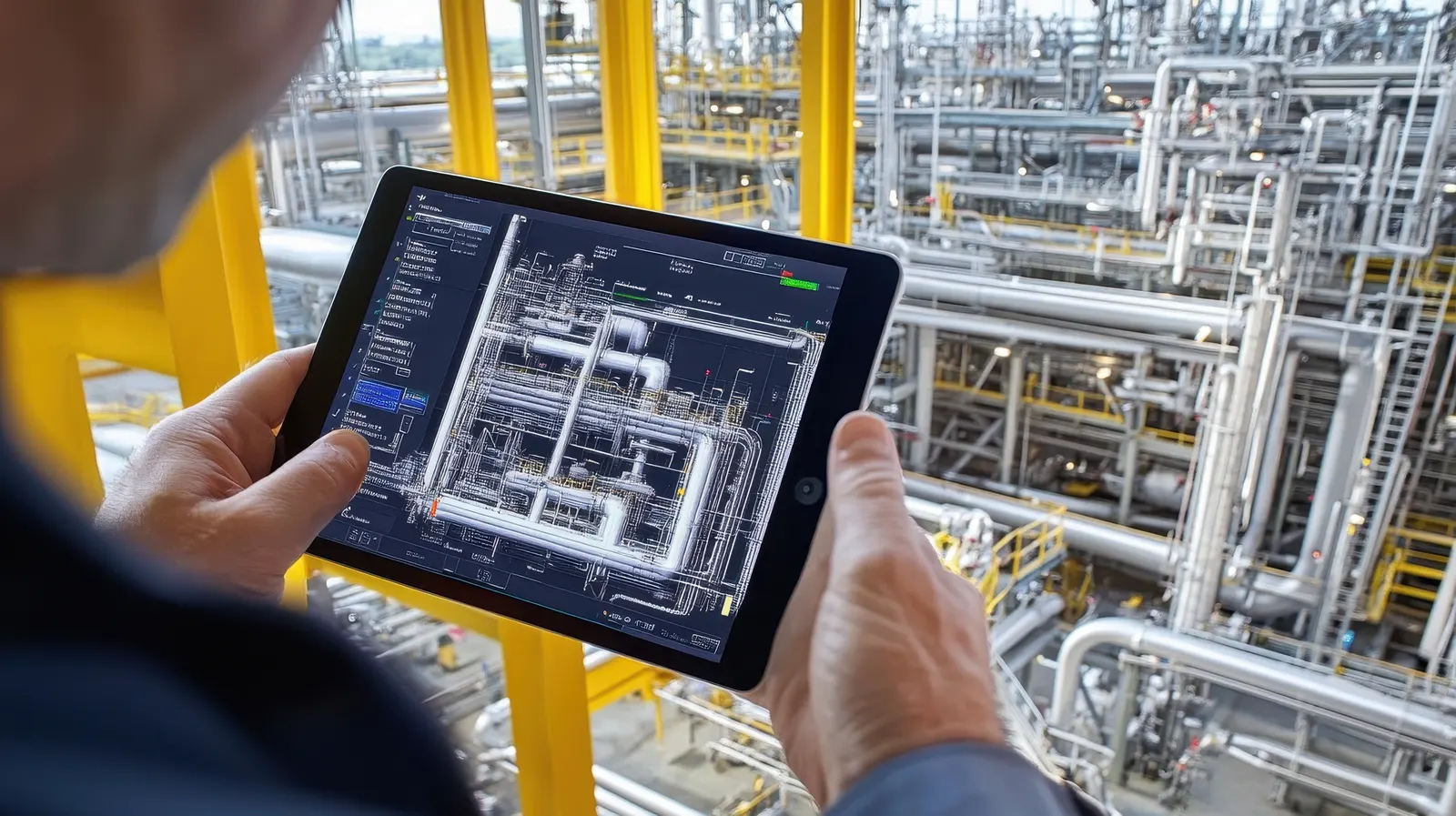
Transforming industries with cutting-edge digital solutions from physical plant to live digital twin.
Project Overview
Build & Operate model.
End-to-end ownership of a manufacturing plant's digital transformation journey.

Background
Project Overview
A manufacturing plant sought to transition from manual, disconnected processes to a fully digital operating model. The challenges included layout inaccuracies, lack of plant visibility, and frequent rework due to design-installation gaps.
Under a Build & Operate model, Cognition IES took full ownership from digital engineering setup to real-time operational monitoring delivering a live digital twin ecosystem and ongoing operational support.

Our Objective
Objective
To build and operate a fully digitized manufacturing environment by integrating physical plant data with real-time digital intelligence enhancing accuracy, reducing downtime, and enabling predictive operations.
Team Deployed
Key roles deployed.
To support build, validation, and continuous operations, the following expert roles were staffed.
Process Lead
Oversaw process design and validation, ensuring alignment with operational requirements and project specifications.
Structural Design Engineer
Designed and validated structural components, ensuring compliance with engineering standards and plant layout requirements.
Piping Design Engineer
Developed and validated piping designs, ensuring integration with the overall plant layout and operational efficiency.
AVEVA – E3D & PCM Tool Experts
Utilized AVEVA E3D and PCM tools to create and manage 3D models, supporting design conformity and digital twin operations.
These professionals played a crucial role in plant layout validation, design conformity, and 3D model creation during the build phase, and provided continued engineering oversight for digital twin operations.
Methodology
Build & Operate model approach.
Digital Engineering Deployment
Laser scanning, 3D model generation, and as-built validation.
Domain-Specific Role Allocation
Placement of tool experts and design engineers across disciplines.
Digital Twin Enablement
Layering of applications to create a responsive operational environment.
Real-Time Operationalization
Dashboards, alerts, and proactive monitoring rolled out across teams.
Sustained Operations
Ongoing support for optimization, upgrades, and training.
Results
Key results & outcomes.

Improved Accuracy
3D validation reduced layout deviations drastically, saving hours in installation rework.
Operational Efficiency
Downtime was minimized through real-time alerts & predictive maintenance insights.
Energy Optimization
Monitoring & simulation helped reduce energy consumption per unit produced.
Scalable Infrastructure
The platform is future-ready, adaptable for upcoming automation and robotics integration.
Better Visibility
Stakeholders access real-time status, performance metrics, and alerts via a centralized dashboard.
Performance Metrics Comparison
| Metric | Before | After |
|---|---|---|
| Layout Error Rate | ~8% | < 2% |
| Production Downtime | 12 hrs/month | < 3 hrs/month |
| Rework due to fit issues | 5+ incidents/month | 0 incidents |
Technology
Technologies used.
Technologies Used
3D Laser Scanning
Precise spatial data acquisition
AI-Powered Analysis
Validate scan data against design specs
Digital Twin Platforms
Intelligent replica of the facility
Dashboard & Visualization
Real-time monitoring and analytics
Client Feedback
"This digital transformation has fundamentally changed how we operate. We now have a living, breathing model of our plant that helps us plan better, run smoother, and grow smarter."
Head of Operations
Confidential Client